The Immortal Mom: Why I Can Never Die

I can never die. Literally. Not even of natural causes or old age. I’m convinced I must live forever, and not because I have some fascination with vampires. I mean, technically I would be happy to pass on at some point, but it would have to be the right moment.

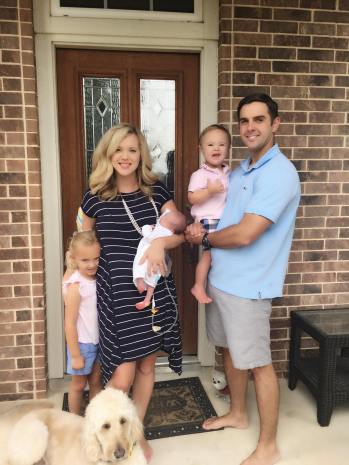
I’m sure most moms, especially moms of young children, have this thought. We must keep it together until our children are grown and can get along without us. But this thought of forced immortality seems to grow exponentially when you have a child with an intellectual disability. Will these thoughts ever go away as my son, Troy, who has Down syndrome gets older?

Of course, the goal of motherhood is to work yourself out of a job.

This is no different when you’re a mother to a child with Down syndrome. Still, there are many more hoops to jump through to reach that goal, and even if you do your best your adult child will likely still need a lot of support.

Related: Class of 2031: Yes, My Son with Down Syndrome Can Go to College

Parents are the expert of their child. No one will advocate for our child like we will.

No one knows Troy like I do. The intricacies of a life with my son are endless. Only I know when all his therapy and medical appointments are, and exactly what is said and done in each one since birth. Only I understand every phrase he tries to speak and the made up signs he uses to get his point across. Only I know all the latest and greatest when it comes to Down syndrome advocacy and education, and how Troy would benefit.

You might ask, where’s the father? My husband actually is a Troy expert in his own right. As a medical doctor, he knows all of Troy’s medical history better than I do. He attends especially important medical appointments and all surgeries, to advocate for the best care. He helps me decipher the doc talk, and particularly confusing treatments or diagnoses. When it comes to Troy’s medical care, I would be lost without him.

Troy with Daddy

Thankfully, Troy is a really healthy fellow. His biggest challenges will be social and educational, which are firmly planted in my domain of power. As a former educator, and current COPAA Special Education Advocate it will be me who steers Troy to future independence. It’s a lot of pressure!

Related: How Having a Son with Down Syndrome Pushes Me to Be “That Mom”

I’ve even wrote a posthumous letter to Troy’s future IEP team, because I will never cease to be one of the most important members of his IEP Team. Not even over my dead body, thank you very much. You may think I’m crazy, but no one is going to fight for full inclusion with proper supports like I will. No one believes that Troy should be included with his typical twin throughout his educational career like I will. No one is going to pre-teach, post-teach, and snoop around at school to make sure his educational goals are met like I will.

Check out my Posthumous Letter to Troy’s IEP Team Here.

Of course, I realize life is too short and unfortunately no one gets to decide how long they stick around. So, the only thing that quells my anxiety surrounding this topic is planning and teaching others to advocate for Troy. We have a special needs trust, a will, a regularly updated “letter about Troy” attached to that will, an ABLE account, and pretty soon we’ll sign my husband’s posthumous military retirement income over to Troy in a trust.

Related: Why Your Child with Down Syndrome Needs an ABLE Account

Beyond the financial planning, I do a lot of soft planning. Like the posthumous IEP letter, I also talk to my husband, and all our immediate relatives about what Troy is doing now and what short and long term goals we’re working on. Lastly, I talk to Troy’s typical twin often about including Troy. Although he’s only 5-years-old, I know he and their 2-year-old sister will likely be Troy’s advocate longer than any other person. I believe it’s imperative that I plant the seeds of kindness, inclusion, and advocacy now, so that Troy’s siblings can naturally and willingly step into my shoes when I’m gone.

Please tell me that I’m not alone in these thoughts. Although dark, I feel like these feelings are important to write down and plan for. Tell me what you think below.


A Day In the Life of My Son with Down Syndrome

I run a tight ship in this household of five. When we’re not traveling, our days are pretty consistent. I’m known as the “Routine Queen,” and Troy thrives on it.

So, what’s a typical day like for my 5-year-old with Down syndrome? Much like any other 5-year-old boys’. Check it out below:

Our day begins around 6:30 a.m. This is actually sleeping in for Troy and his typical twin brother, Hunter. The elimination of naps at the beginning of the school year ended our pre-5:00 a.m. wake-up calls.

Troy is a creature of habit, just like his mother. Every morning, without fail, he comes to me and says “Os and milk and a spoon too, please.” Because he has Childhood Apraxia of Speech novel phrases are often hard for Troy to speak intelligibly. Routine phrases, on the other hand, are as clear as day. “Os and milk and a spoon too, please” is one example of a VERY CLEAR phrase that Troy has mastered.

After breakfast we read for a bit, before getting dressed. Troy is working on mastering a few of Down Syndrome Education International’s books, as well as his favorite Orange County Learning Program books. This kid has always been a bookworm!

Reading his favorite Sue Buckley Book

Related: Teaching Your Child with Down Syndrome to Read

By 9 a.m. we’re at private therapy for Physical and Occupational Therapy. All three of my kids think Troy’s weekly trip to ABC Therapy means playtime for everyone.

Troy’s twin brother and little sister play while Troy “works”

Troy is learning how to cut with scissors, write his name, jump with two feet together off a too-high bench, swing, and bicycle. This is all fun-and-games compared to learning to crawl and walk and dress himself. He used to cry during therapy. These days it’s cake.

Troy with his OT and PT

Troy throwing an epic tantrum, because he wants to sit in the front “this time!”

The kids get in a quick lunch before the school bus arrives at 11:45 a.m. I wish I would have gotten pictures of Troy getting on the bus, because he absolutely LOVES IT!

Luckily, his preschool teacher uses a cool app called Class Dojo. It’s like Facebook for school. One of the teacher assistants takes a ton of pictures and uploads them with a few captions detailing what they did during the school day.

Troy with his preschool teacher

Related: 321 Let’s Count! Teaching Simple Math Skills to Your Child with Down Syndrome

On this particular day, Troy used the scale to decide which objects were heavier and work on one-to-one correspondence.

His teacher says he does particularly well with organized learning games. That’s probably because we play a lot of board games at home. They’re good for working on intelligibility, math skills, fine motor skills, and turn-taking.

One of Troy’s new favorite board games, Stack Up!

Because we have an upcoming trip, I re-scheduled a swim lesson for today. This made our day much more action packed than usual. I usually only schedule one big outing, other than school, each day.

Troy is absolutely obsessed with swim lessons. He’s gone from screaming and crying to get out to the pool, to screaming and crying to stay in. The struggle is real!

I have to admit though, swim lesson have been hard on me as of late. To watch my typical son, Troy’s twin, progress quickly across the pool to a semi-independent class, while Troy is still with 3-year-olds gets to me.

Troy is still on the far right end of the pool; his twin brother has moved 5 lanes in a year and a half. Troy hasn’t moved yet.

Some days I feel like Troy is not progressing at all. Swim days adds to this despair, but I know he loves it so much and is putting forth effort. He has made progress since he started. I often chant in my mind “remember the power of YET“!

Related: Enjoying the Quiet Before the Storm

After surviving the 5 o’clock witching hour and dinner with Daddy (who’s in medical residency and works really LONG days), we all relax and watch a bit of television. Troy asks for “Jake and the Neverland Pirates, Please.” He answers with a “Yo Ho, Let’s Go!” if I say yes.

Watching Jake and the Neverland Pirates

Daddy get’s some cuddles in and a French Hello from Troy (we have no idea how he learned to kiss both cheeks, but we love it).

Troy giving his daddy a French Hello

A goodnight story and tucked in tight for bed. Another day is done!

What’s your child’s day like? Do you have an adult child with Down syndome? I’d love to hear what their day is like too. Share below or email me!


What I Should Have Asked When My Son was Born with Down Syndrome

We had a lot of questions when Troy was born. 

Troy on the right, with his typical twin and Trenton

Why was this happening to us?

What health problems will he have?

Would he be high functioning?

Will Troy ever play with his typical twin brother?

Would we ever be happy again?

All of these questions focused on how Down syndrome would negatively impact our lives. Most of them revealed my husband, Trenton, and I’s utter ignorance when it came to Troy’s diagnosis. Some of our doctors and a quick Google search didn’t help matters. They seem to perpetuate only the pathology of Down syndrome; completely missing the beautiful life and possibilities that I held in my arms.

Of course hindsight is 20/20 and the reality is, just like parenting any child, you never know how your life will change until you walk down that path. So, if I could go back to that sad, scared mama almost five years ago I’d whisper one question into her ear:

How could Troy transform our family for the better? 

It’s not a question that doctors or Google could ever answer. It’s not a question that even came to mind in the midst of the overwhelming grief of what should have been. It wasn’t until I could let go of the should’ve/could’ve beens, that I realized how beautifully made my son is and how Down syndrome can open unexpected doors for myself and my family.

Acceptance of Down syndrome became our silver lining. 

Ironically, we didn’t accept Down syndrome that easily. We wrestled with the idea of it constantly those first few months of Troy’s life. It wasn’t until we accepted our son, that we accepted Down syndrome. You may have heard the sayings “my son is not Down syndrome” or “when you’ve met one person with Down syndrome, you’ve met ONE person with Down syndrome.”

These sayings are at once completely true and false. It wasn’t until Troy’s personality revealed it self (that first smile, the way he looked around for his brother whenever he wasn’t near, later when he woke up early every morning just like his Daddy, or loved to bust a move like his Mama), that we realized we would be happy again. Troy is unique and ours. Down syndrome doesn’t define him, but Down syndrome has found a place in our heart and has emboldened us to live better.

Read a Related Post Here: How Having a Son with Down Syndrome Pushes Me to be “That Mom”

Our family has become champions of Troy and all people who are different or vulnerable to misunderstanding. My husband had just graduated from Medical school when Troy was born. All he saw when he looked at Troy then was health problems related to Down syndrome. Now, he sees someone who loves life in spite of all that. This has changed the way he doctors, and sees his patients. It’s made him more compassionate and caring.

Hunter and Troy, almost 5-years-old

I’ve fully embraced my role as lead advocate in our household. I created this blog because of Troy, and will now train as a special education advocate to help other families. Although each of our loved ones with Down syndrome are unique and different, there are issues that bind our community together. We must stand together to ensure our loved ones get the support they need to be included in every aspect of society, whether that be school, employment, or our health care system. Five years ago, I couldn’t imagine myself presenting in front of my state legislature about a bill that I advocated for, but this fall I will do just that.

Read a Related Post Here: 5 Ways You Know You’ve Become Your Child’s Best Advocate

Even Troy’s twin brother already has a sense of advocacy. Hunter gives me daily reports about what Troy did in school, and is quick to tell us what Troy is saying when we can’t decipher his sometimes jumbled words. They say siblings of individuals with Down syndrome often lead lives of service and honor, and I can see that already in Hunter’s actions.

Troy leads by example. He’s always polite and congenial. When Troy walks into a room, everyone takes notice. He’s loud and boisterous. He wants to be heard, and he will. As will we!

I don’t think much about how life could have been with two typical boys, but when I do I realize we may not have been as close, strong, and empathetic as we are now.

How has Troy transformed our family? In countless, magical ways…that’s how! 


Down Syndrome Blogs Sure to Inspire

In the beginning there was Google. It’s what every new mom turns to these days when they receive their child’s Down syndrome diagnosis. Like it or not, moms want information and Google provides it fast.

That’s why it’s so important that advocates like myself and the ones you’ll meet below win the Google Wars. Out-dated, misinformation about Down syndrome is rampant on Google. But slowly more and more blogs, as well as national Down syndrome organizations are putting an end to this misinformation. Some argue that the blogosphere is flooded with too many new moms sharing their journey with a child with Down syndrome. I say bring it on!

Read Related Story Here: Why I blog

It’s important that we advocate and share our personal stories, so that new moms and strangers of Down syndrome develop a new, better perspective of people living with Down syndrome. I started Inclusion Evolution to provide one more glimpse into the diverse world of Down syndrome. If I inspire one person, change one mind, then my goal is met. Other bloggers are doing the same, and below I share my top 10 favorite.

10 Most Inspiring Down Syndrome Blogs: 

Cedar’s Story:

This has got to be the best diagnosis-centered blog on the web. One-year-old Cedar’s mom, Dawn, does a fabulous job sharing hundreds of diagnosis stories. The first place I turned when I learned about Troy’s diagnosis was the web, and I wish then that I would have had Cedar’s Story. Click here to read a diagnosis story from the Ivory Coast in Africa.

Dawn and Cedar from “Cedar’s Story”

News Anchor to Homemaker:

Jillian Benfield’s raw emotion and eloquent words will have you coming back for more. I feel she and I could be best friends, and I don’t even know her. As I began reading her blog, I realized we had SO much in common. First, we both grew up in the same county in Florida. Second, we were both television journalist (albeit–she was much more successful), turn stay-at-home moms. But mostly it’s her first son, Anderson, who has Down syndrome that hooked me. Her “Mid-Week Moral” will cut you down deep, and bring you closer to her beautifully broken journey and your own.

Jillian, Anderson and Family from “News Anchor to Homemaker”

The Sassy Southern Gal:

Almost every blog about Down syndrome has a baby or toddler in its starring role. But I’m hungry for sneak peeks into Troy’s future, so I’m always looking for reads on teens and adults with Down syndrome. 17-year-old Rachel fills me with such hope for Troy’s future. She’s the star of “The Sassy Southern Gal,” written by her mother and my advocacy mentor, Jawanda Mast. Jawanda’s blog shows Rachel’s journey of inclusion from her elementary school years to her present senior year. Rachel is an amazing self-advocate, and the blog show’s this transformation. Check it out here.

Rachel from “Sassy Southern Gal”


Grown Ups and Downs:

Another fabulous blog from a mother of an adult with Down syndrome. Brought to you by the co-author of “The Parents’ Guide to Down Syndrome,” Mardra Sikora inspires young moms to always dream big. Her son, Marcus, is also an author and amazing self-advocate. Check out his children’s book, “Black Day: A Monster Rock Band,” and all his adventures here.

Marcus with his book “Black Day” from the blog “Grown Ups and Downs”

A Day in the Life with Down Syndrome:

This is a new blog (like mine) with an extra special mission. To share families’ journey with Down syndrome. You can submit your own story and also learn about Down syndrome resources on and off social media. The author is Meriah, who first inspired me with a cross-disability blog now called Two Thirds of the Planet. Using her own disability as a compass, Meriah provides a unique glimpse into life with a disability.

Meriah and Moxy from “A Day in the Life with Down Syndrome”

This Life I Live:

The blogosphere is dominated by strong women sharing stories about their beautiful children with Down syndrome. It’s rare to find a father’s perspective, so Rory Feek’s blog is a rare gem. He writes it like an open diary about his wife who recently passed from cancer, his country music career, homestead farming, and his youngest daughter, Indy, who happens to rock an extra chromosome. Feek plan to homeschool Indy. Check out the one-room schoolhouse he recently built for her here.

Rory Feel with his late wife and daughter, Indy

Lexi Loo, Lily, Liam & Dylan Too:

If you want more from a blog than just Down syndrome talk, then Stephanie’s parenting and lifestyle blog is your jam. It has the perfect mix of decorating tips, stylish clothes and toys, as well as updates on her son Liam who has Down syndrome. Click here learn about her son’s journey.

Stephanie and Liam from “Lexi Loo, Lily, Liam, and Dylan Too”


No BS About DS:

It’s common to find a Down syndrome blog that’s heavy on emotion, but as Troy gets older I can’t help but want more. Enter “No BS About DS.” Co-Author, Sruthi Muralidharan does a good job of including human interest pieces, but also scientific posts. Check out their Ask the Expert post with Dr. Brian Skotko here or their post about Miralax for Constipation here.

Sruthi Muralidharan with her husband and son, Tejas

I Am River

River is a little boy with Down syndrome that lives between the United Kingdom and Tanzania. His mom and author of “I am River” blog, Hayley has an amazing way of sharing their unique story through words and pictures. I love this blog for it’s international flair and amazing prose. Check it out here.

Hayley and River from “I Am River”

Down Syndrome Diagnosis Network 

My last pick for most inspiring Down syndrome blog comes from a volunteer-run organization and non-profit, Down Syndrome Diagnosis Network (DSDN). They have a great website with resources for moms with children from birth to age 5-years-old. But they also share personal stories on their blog from hundreds of parents across the United States. Check it out here.

What are your favorite blogs? Share in the comments section below!


How Military Service Creates a Secure Future for Our Son with Down Syndrome

Our family has a love-hate relationship with the United States Military. It’s taken us away from family and friends and each other. It’s lead to the death of good friends and painful memories of war and deployments. It’s also taught us what’s important in life: honor, duty, and living every moment like it’s your last.

As one would expect our relationship with the military leans more on the “love” side as my husband gets closer and closer to retirement. If I’m honest, the military has afforded our entire family a brighter future. For my husband and I, who grew up working poor, it’s meant reaching the American dream debt-free. More importantly, for our son with Down syndrome it means a exceptional life and secure future, even after we pass away.

Read Related Post Here: Open Letter to My Twin Sons, One with Down Syndrome, On Their 5th Birthday

Signing up for military service means making sacrifices 99% of Americans wouldn’t even consider, but the rewards are also worth mentioning. For the sake of this blog I’ll limit those sacrifices and rewards to those pertaining to our son, Troy, who has Down syndrome. The goal of this post is not to recruit you for military service (LOL- like I could even if I tried), but to give you a glimpse of life in the military with a child with a disability.

Taking Care of the Future Today

I’ll start at the end first, because I’m just so excited and want to share what 20 years service with the United States military will get Troy. One of the first thing someone (I don’t even remember who) told us when Troy was born is that he would have free Tricare health care for life. Many individuals with Down syndrome are eligible for Medicaid when they become adults, but having a secondary insurance means Troy’s health care will be secure. Read more here.

The other huge perk is my husband’s retirement pension. On the day he retires we can request that Troy receive the pension at my husband’s death, rather than myself. This seems like a no-brainer to me. Troy is likely to out-live both Trenton and I. Likely, I’ll always be able to work and support myself, but Troy may need extra financial help throughout his adult life. Just beware and be prepared! You will need to open a “First Person Medicaid Payback Trust,” to ensure your child’s SSI and Medicaid benefits are not put at risk. As the title of the trust states, the funds in the trust upon your child’s death will be paid back to Medicaid. Learn more here.

Read Related Post Here: Brother Urges Parents to Prepare Typical Siblings for the Future

Free Socialized Health Care

We always joke that the military is the only place in America where you can experience socialism, even though we’re fighting for capitalism. I’ve had friends complain about their health care through the military, but really?–it’s FREE. Everything is free. My husband doesn’t have a deduction out of his paycheck for health care. When you have a child with Down syndrome and multiple health problems, that is HUGE. We don’t pay a dime for medicine, specialists, surgeries, private therapies, or orthotics.

I have too many civilian friends to count who don’t have their child with Down syndrome in private therapy or orthotics because it’s so expensive and their insurance doesn’t cover it. I can’t imagine our insurance not covering our child who has Childhood Apraxia of Speech and poor gait/low tone. I never have to beg for a referral or service. In fact, I usually tell my son’s military pediatrician which private specialists and therapists I want him to see and they sign the referral no questions asked. Troy even has his own case manager who I absolutely love. If we ever have a problem with a referral or a question about anything I just call her and she takes care of it.

Troy with his Daddy

The Exceptional Family Member Program

Every branch of government has this fabulous program called “The Exceptional Family Member Program” (EFMP). The program was created in the 1980s to help military families identify the medical and educational resources they need at their current duty station. The “exceptional family member” can be anyone in the family who needs extra assistance. I had a friend who battled breast cancer in her twenties and her military husband was able to get home health-care resources through EFMP. I also had a friend who’s child had a speech delay, and was able to get therapy services through EFMP. It’s worth noting that everything I mention here is absolutely FREE.

When you’re moving around a lot (we’ve moved 4 times in 10 years of marriage), you have added stress with a child with a disability. I’m constantly worried that our next duty station may not have a good children’s hospital or private therapy services or an inclusive school for Troy. Although the military mission is always paramount in any move, EFMP takes a family’s documented needs into consideration. We’ve made a point of staying away from states that are known to do a poor job educating and employment individuals with intellectual disabilities. Read about EFMP here.

Respite Support

I’m often asked how I survive with three kids, a husband in medical residency, and no family support. Our closest family members live 500 miles away, which is the closest we’ve lived to family since my husband enlisted at 18-years-old. The answer I give them is wine and my respite provider. Everyone who qualifies for EFMP is guaranteed a highly-qualified respite provider and 40 hours a month (in the Air Force) of free babysitting. This is my saving grace!

Our providers must have some professional connection to children with disabilities. We’ve had nurses, clinical psychologists, and teachers. The respite providers are constantly in training; learning the newest child care research and medical techniques. Their also highly compensated at a price I would never be able to afford. This ensure high quality care that I can depend on. I’m always free on a Saturday night!

Read Related Post Here: The Quiet Before the Storm as My Son with Down Syndrome Grows Up

I still worry often about our military future and Troy. I worry about getting out or staying in, and the impact on all three of our kids. But the military has forced me to live in the moment and accept that change is inevitable. For Troy, who hates change and transitions, military life may help him face his fears and become a more flexible adult. It has for me!

Are you or do you know a military family with a child with special needs? How has your experience been? I’d love to hear about your military story. Comment below!Â